
The Value of an Agent: Why a National Estimate Misses What a Local Agent Sees
 Joshua SturgisPublished Updated 4 min read
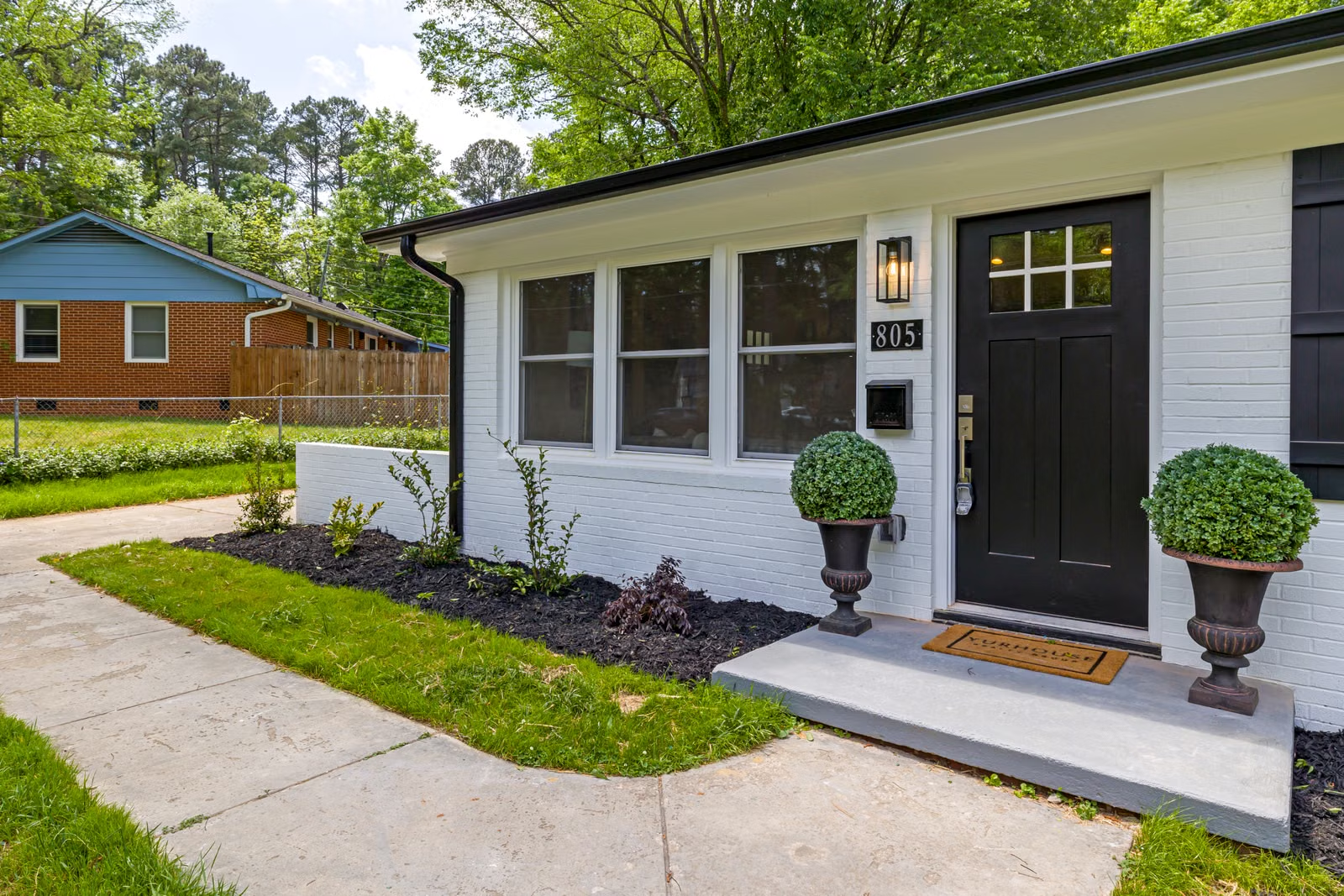
A home value estimate can be useful. It can give a seller a starting point, a rough range, and a sense of what the market might support.
But a starting point is not the same as a pricing strategy.
A national estimate sees a property as a collection of attributes: bedrooms, bathrooms, square footage, lot size, year built, and recent nearby sales.
A local agent sees something much more important: how buyers in that specific market will respond to that specific home, right now.
“A pricing number matters. But the pricing conversation is where trust is built.”
One House, Two Stories
Imagine a four-bedroom home in a desirable neighborhood.
On paper, it looks straightforward:
4 bedrooms
3 bathrooms
2,400 square feet
built in 2005
recently refreshed kitchen
strong school district
A national estimate can process those facts quickly.
But a local agent sees the details the algorithm may not fully understand:
the home backs onto a busier road than the nearby comps
the renovation quality is better than the listing photos suggest
the floor plan is more functional than a similar home down the street
the backyard has less privacy than buyers typically want
the micro-location places it in a more desirable pocket of the neighborhood
Those are not small details. They are often the reason one home gets strong interest and another sits.
What the Estimate Sees vs What the Agent Sees
National estimate | Local agent |
|---|---|
Property records | Buyer behavior |
Historical comps | Comparable homes that actually compete |
Generic market patterns | Hyperlocal neighborhood context |
Broad statistical confidence | Real-world pricing judgment |
A number | A recommendation with reasoning |
The Real Value of an Agent Is Interpretation
This is the part many homeowners underestimate.
Most sellers do not just want a price. They want to understand:
why that price makes sense
what supports it
what could weaken it
how it compares with the competition
what could happen if they price too high or too low
That is where a strong agent creates value.
A good pricing conversation turns market data into something a homeowner can actually follow.
Instead of saying, “Your home is worth $785,000,” the agent can show:
which comparable properties matter most
what adjustments were made and why
where the likely pricing range comes from
how current inventory affects strategy
what the recommended list price is trying to achieve
A strong recommendation is not just a number
It is a point of view.
That point of view is what separates an agent from a generic estimate.

Photo: Vitaly Gariev / Pexels
The Pricing Conversation Is the Product
This is where many CMAs fail.
A traditional report often contains plenty of data, but leaves the homeowner to figure out what it means. The burden of interpretation falls on the seller.
That creates friction.
Kompmodo is built around a different idea:
The value is not just in collecting the comps. It is in helping the seller follow the reasoning.
With Kompmodo, agents can:
select the right comparable properties
make adjustments in plain view
present a clear narrative, not just a spreadsheet
share a polished online report the seller can revisit later
This changes the tone of the meeting.
Instead of defending a number, the agent is guiding a conversation.
Why This Matters in the Real World
Pricing is not just a math exercise.
A price that is too high can cost time, reduce momentum, and make the home feel stale.
A price that is too low can leave money on the table.
A price that is technically plausible but poorly explained can create doubt.
That is why a local agent matters.
Not because they replace the data.
Because they make the data useful.
What Sellers Actually Need
When a homeowner is deciding who to trust, this is usually what they are really looking for:
a realistic range
a recommendation they can understand
evidence behind the recommendation
confidence that local context was considered
a report they can revisit after the meeting
What they do not need is:
more pages of unexplained dataa generic number without contexta report that looks finished but says very little
The Bottom Line
A national estimate can tell you something.
A local agent can tell you what that something means.
And in real estate, meaning is what moves people to act.
If pricing a home is one thing, getting the seller to believe in the price is another.
That is the real value of an agent.

Photo: Mikhail Nilov / Pexels
See How Kompmodo Supports the Pricing Conversation
Kompmodo helps listing agents build the recommendation, present the reasoning, and share a polished online report sellers can revisit anytime.